Future Face Aesthetics: skin under repair
For me, a future face begins with the capacity to mend. GHK-Cu brings that idea down to material questions: collagen, tissue turnover and passage through skin.
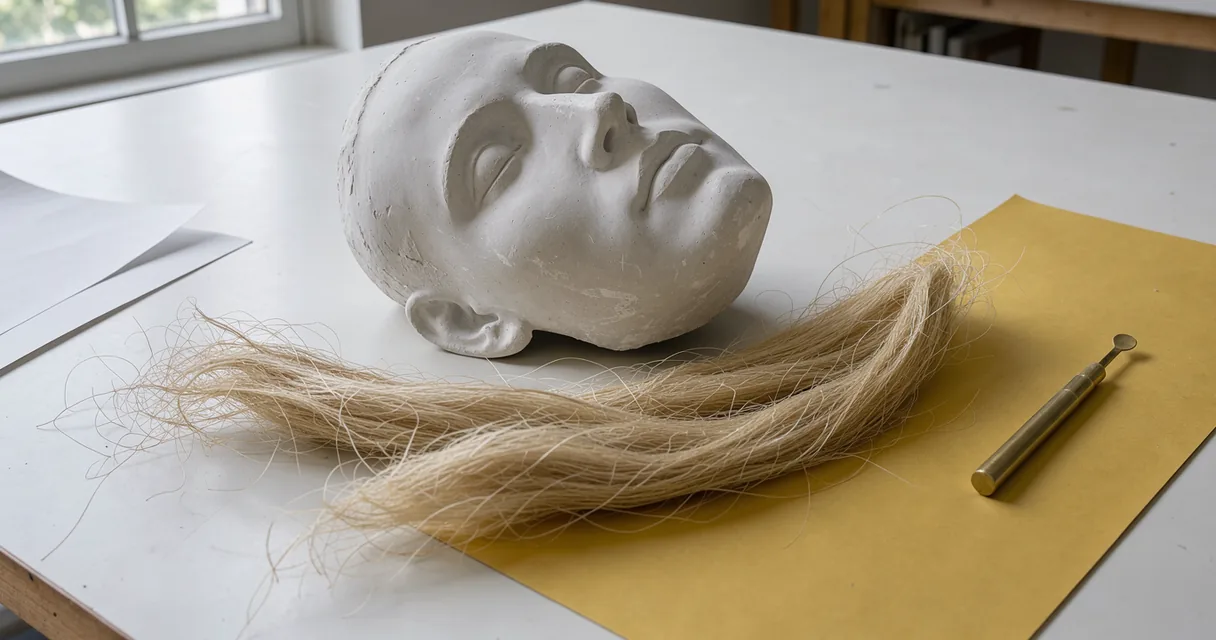
The restoration desk
A future face is easy to imagine as a finished object: smoother, firmer, somehow exempt from time. Maintenance, in all its untidiness, seems the more absorbing possibility to me. What gets made? What gets taken apart? Can the material reach the place where it is supposed to work?
GHK-Cu earns a place on this desk because the research gets unusually physical. In human fibroblast cultures, the copper-peptide complex increased collagen synthesis without changing cell number. Fibroblasts are cells that produce connective-tissue material; here, their output changed while their numbers stayed put. That is a specific finding I can admire without having to imagine a transformed face.
The more surprising part comes from the review of tissue remodelling, which describes increased collagen synthesis alongside metalloproteinases and anti-proteases. Making material and regulating its breakdown appear together. I hear a far more interesting repair story in that combination than in a simple call for more collagen.
Collagen, skin measurements, delivery
The pages follow different pieces of that physical problem. Collagen turnover starts at the culture dish and follows the work of making and remodelling tissue. Measured skin results examines a deceptively simple percentage: how many participants showed increased procollagen, and what that count actually tells us. Through skin moves to the barrier between a topical preparation and its intended destination.
These questions deserve room of their own. An experiment about cellular output has a different plot from an experiment about passage through a skin sample. I would rather follow those plots at length than collapse them into a verdict called “anti-aging.”
Topical GHK-Cu research
The anti-wrinkle review brings the delivery problem into the same discussion as the skin findings. That combination suits this publication. A promising biological response still leaves the practical matter of getting the right material to the right place.
An unfinished case can still earn my curiosity. A claim about a future face still needs its own measured result. The reading list holds the papers and reviews discussed here, and about the desk explains why this particular corner of aesthetics deserves the attention.